Southwark Council parking rules for East Dulwich removals: a practical guide for a smoother moving day
If you are planning a move in East Dulwich, parking is rarely a small detail. It is often the thing that decides whether moving day feels organised or a bit chaotic from the first van pull-up to the last box on the pavement. Southwark Council parking rules for East Dulwich removals can affect where the van stops, how long it can stay, whether a bay suspension is needed, and what happens if the street is tightly controlled. Get this wrong and you may be dealing with delays, extra carrying distance, or even a penalty. Get it right and the whole move tends to breathe easier.
This guide breaks the process down in plain English. You will see how local parking restrictions usually affect removals, what to check before the date, how to plan around permits and suspensions, and where the common traps sit. Truth be told, most moving stress is not about the sofa; it is about the logistics around the kerb.
Table of Contents
- Why Southwark Council parking rules for East Dulwich removals Matters
- How Southwark Council parking rules for East Dulwich removals Works
- Key Benefits and Practical Advantages
- Who This Is For and When It Makes Sense
- Step-by-Step Guidance
- Expert Tips for Better Results
- Common Mistakes to Avoid
- Tools, Resources and Recommendations
- Law, Compliance, Standards, or Best Practice
- Options, Methods, or Comparison Table
- Case Study or Real-World Example
- Practical Checklist
- Conclusion
- Frequently Asked Questions
Why Southwark Council parking rules for East Dulwich removals Matters
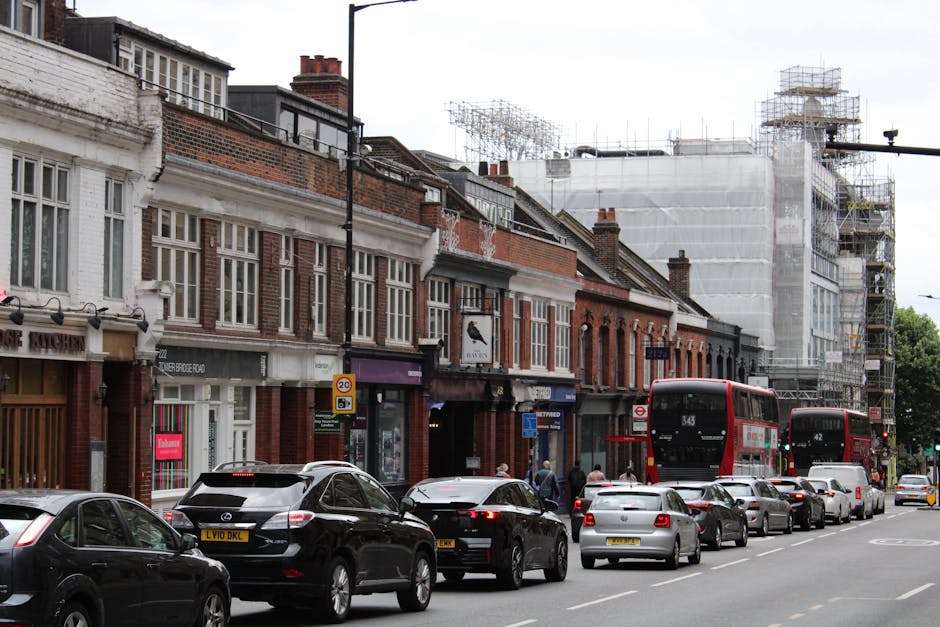
East Dulwich has the kind of roads that look manageable until you try to unload a wardrobe. Residential streets, controlled parking zones, yellow lines, timed restrictions, narrow frontages, and the occasional double-parking pinch point all play a part. Southwark Council parking rules for East Dulwich removals matter because removals vehicles are bigger than ordinary cars, need space to manoeuvre, and often have to stop exactly where space is hardest to find.
For a typical home move, the parking question affects four things at once: access, timing, cost, and compliance. If the van has to park further away, the team spends longer carrying items. If a bay is suspended or a restriction is missed, there is risk of enforcement. If access is blocked by local traffic or school run congestion, the move can drift. And if you are trying to manage all this while also supervising boxes, children, and a very annoyed kettle, well... it is a lot.
That is why planning the parking side early is not overcautious. It is sensible. In our experience, the smoothest moves are the ones where parking is treated as part of the move plan, not an afterthought. A small bit of preparation often saves a much bigger headache on the day.
Expert summary: The best East Dulwich removals are usually the ones where parking, access, and timing are checked before moving day, not on the morning when the van arrives and everyone is already a bit on edge.
How Southwark Council parking rules for East Dulwich removals Works
The practical side is usually simpler than people expect, but you do need to understand the layers. In East Dulwich, a removals vehicle may be affected by standard on-street parking controls, permit bays, shared-use bays, loading restrictions, single or double yellow lines, and local restrictions that change by time of day. Some streets are relatively forgiving off-peak; others are tightly controlled from early morning until evening.
Parking for removals usually comes down to one of three arrangements:
- Use existing legal space such as a bay or loading area, if the vehicle fits and stopping is allowed at that time.
- Arrange a suspension or special parking arrangement if a marked bay needs to be reserved for the van.
- Coordinate short loading activity in areas where loading or unloading is allowed, while keeping an eye on time limits and local signs.
The exact approach depends on the street, the time, the vehicle size, and how much loading time you need. A small van on a quiet residential road may be straightforward. A full household move with a larger lorry on a busy road is another matter entirely. This is why removals firms often ask for the full address, floor level, access notes, and whether the property is on a one-way street or near a corner. They are not being nosy. They are trying to avoid a last-minute scramble.
It is also worth remembering that parking controls can be different during the day and evening. A space that looks available at 7 a.m. may be gone by 9 a.m., and a loading opportunity that seems fine at lunch may be blocked by nearby activity later. If your move date is during term-time, near a school, or close to a busy shopping stretch, build in extra breathing room.
Practical point: always assume the truck will need more space than your own car would. It sounds obvious, but people forget. Then the van arrives and everyone does the awkward sidewalk shuffle.
Key Benefits and Practical Advantages
When the parking side is handled properly, the move feels less rushed and more controlled. That is the big win. But there are several smaller advantages too, and they matter more than people think.
- Less carrying distance from property to van, which saves time and energy.
- Reduced chance of delays if the driver can stop legally close to the entrance.
- Lower risk of enforcement issues when the vehicle is parked in line with local restrictions.
- Better protection for furniture because items spend less time outside, in rain, wind, or traffic.
- Smoother scheduling for the removals team, especially on multi-stop days.
There is also a financial angle. Even when a move is otherwise well planned, parking issues can create extra labour time, waiting time, or permit-related costs. That does not always mean something has gone wrong. It just means the street environment was more demanding than expected. In busy parts of East Dulwich, that is common enough.
Another subtle benefit is peace of mind. When the van position is sorted, you can focus on the important small stuff: checking cupboards, finding the charger, keeping pets out of the way, and making sure no one has packed the tea bags by mistake. That last one always seems to happen, somehow.
Who This Is For and When It Makes Sense
This guide is useful if you are moving house, shifting a flat, emptying a rental, or handling a small business move in East Dulwich. It is especially relevant if you live on or near a road with controlled parking, limited stopping places, or active daytime restrictions.
You will benefit from this information if:
- you are moving from a terraced street with limited kerb space;
- you expect a large van or lorry rather than a small car-sized vehicle;
- you need to load heavy items such as wardrobes, mattresses, or white goods;
- you are moving on a weekday, when parking demand is usually higher;
- you are relocating from a flat with stairs, tight access, or no driveway;
- you want to avoid fines, bay disputes, or last-minute parking confusion.
It is also relevant if you are comparing moving options. For example, a full-service removals team may manage more of the parking coordination, while a man and van booking might place more of the access planning on you. Neither is automatically better. It depends on your move size, confidence level, and how much you want to handle personally.
To be fair, if you have ever tried to reverse a van into a busy London street while someone calls out instructions from the pavement, you already know why preparation matters.
Step-by-Step Guidance
1. Check the street rules before you commit to a moving time
Start with the exact origin and destination addresses. Do not rely on the neighbourhood name alone. A street two minutes away can have completely different restrictions. Look for controlled parking zone signs, loading restrictions, yellow line rules, and any local instructions that might affect stopping times.
2. Confirm the size of the vehicle
The vehicle size changes the parking strategy. A small removals van may be easier to position on a narrow road. A larger vehicle may need reserved space or a more careful route. If your property has a tight turning circle or a sharp corner outside, mention it early. The driver will usually appreciate the warning.
3. Decide whether you need a suspended bay or another parking arrangement
If the van needs a guaranteed stopping place, a bay suspension or similar arrangement may be the practical route. This is often the difference between a calm unload and a lot of circling. If the street has only limited legal parking, do not leave this to luck. Luck is not a parking plan.
4. Build the parking plan into your removals booking
Tell the removals company about floor level, lift access, narrow hallways, side gates, and the distance from the front door to the road. These details affect how much time the crew needs and where the vehicle should sit. It also helps them plan for packing materials and protective equipment.
5. Prepare for the day before the van arrives
Move personal essentials into a separate bag, clear the hall, and make sure keys, parking details, and contact numbers are ready. If someone needs to meet the driver, make that obvious. A missed call at 8 a.m. can snowball fast.
6. Keep an eye on timing
In East Dulwich, timing can matter as much as space. Early morning may offer better parking but less flexibility if building access starts later. Midday might be better for lifts or key collection, but busier on the road. Choose the slot that suits the whole move, not just the parking.
7. Recheck the final approach on moving day
Conditions change. A space that looked clear the previous evening may be occupied in the morning. A road closure, skip placement, or neighbour's delivery can alter the plan. When the van is nearby, do one last scan and adjust. That final minute of awareness can save a lot of faff.
Expert Tips for Better Results
The best practical advice is often simple, but not always obvious when you are busy. Here are the tips that tend to make a real difference.
- Scout the street at the same time of day as your move if possible. A quiet Sunday afternoon tells you less than a weekday morning.
- Measure access points where needed. Low branches, tight corners, and narrow entrances can affect parking and unloading.
- Keep the nearest legal stop in mind even if it is not perfect. Sometimes a slightly longer carry is better than a risky stop.
- Label items clearly so the team can unload efficiently. Faster unloading means the vehicle can move sooner if needed.
- Have a backup contact in case you are stuck inside dealing with keys or a final handover.
A small but useful trick: take a photo of the parking signs near both properties the day before. That way, if anyone asks what the rules said, you are not trying to remember them from the back seat while juggling a mug and a folder. Practical, not glamorous.
Also, if your move involves furniture storage or a staged move, consider whether items can be split into two smaller loading sessions rather than one giant one. That can ease pressure on parking and reduce the chance of peak-time congestion. If you are exploring longer-term solutions, the services for furniture storage and removals and storage can be useful when the move is not happening all at once.
Common Mistakes to Avoid
Most parking problems during removals come from the same handful of mistakes. They are easy to make, especially when you have ten other things on your mind.
- Assuming all East Dulwich streets are the same. They are not. Restrictions can vary block by block.
- Leaving parking arrangements until the day before. By then, options are usually tighter and stress is higher.
- Forgetting about loading time limits. Some stopping areas are not designed for long dwell periods.
- Not telling the removals team about access problems. If they do not know, they cannot plan around them.
- Ignoring neighbour access and shared space. Bin days, school traffic, and shared drives can get in the way.
- Thinking one small van can do the job of a larger removal. It might, but sometimes it creates more trips and more parking exposure.
Another common slip is forgetting that a property move is not just about your side of the street. If the destination has a narrow road or a busy permit zone, the parking challenge may be there instead. I have seen more than one move go smoothly at pickup and then stall at delivery because the unloading point was assumed, not checked. Not ideal.
Tools, Resources and Recommendations
You do not need a complicated toolkit to manage removals parking, but a few simple resources help a lot.
- Street photos taken in advance from both directions.
- Property measurements for tight access, stairwells, and van clearance.
- Written move notes for the removals team, including entry codes and parking instructions.
- A checklist for keys, permits, access details, and contingency contacts.
- Flexible storage options if you need to split the move over more than one day.
If your move is complex, a service like house removals or flat removals may be more suitable than a simple van-only booking, because the team can usually help you think through access, loading pace, and parking pressure together. For smaller loads or awkward single-item transport, small removals or man and van may make better sense.
If you are still comparing options and costs, the pages on pricing and quotes and the East Dulwich removals real cost guide can help you think about budget in a more realistic way. That is often where people spot the hidden extras, not just the headline figure.
Law, Compliance, Standards, or Best Practice
Parking during removals is not usually about memorising legislation. It is about following local restrictions carefully and using sensible best practice so the vehicle is parked legally and safely. In London, councils commonly enforce waiting, loading, and permit rules quite closely, and moving vehicles are not exempt from enforcement just because a removal is in progress.
Best practice usually includes the following:
- checking the signage at the exact location, not just the nearest junction;
- allowing enough time for loading without overstaying a limited stopping bay;
- keeping access routes clear for pedestrians and neighbours;
- making sure the driver can see any local restrictions before stopping;
- planning for safe loading so items are not left unattended on the pavement.
If your move includes business equipment, archived files, or sensitive goods, standards around careful handling and access become even more important. For example, office moves often need tighter coordination than domestic moves because of keys, security, and timing. If that is you, the office removals service may be a better fit, especially where access windows are short.
On the insurance side, it is wise to check what is covered during loading, parking, and transit. That is not being paranoid. It is being sensible. The same goes for safety procedures. A clean path, stable boxes, and clear communication reduce risk for everyone involved. If you want more detail on operational standards, the site pages on insurance and safety and health and safety policy explain the broader approach in plain terms.
Options, Methods, or Comparison Table
Different moves need different parking strategies. There is no single perfect answer. Here is a straightforward comparison to help you judge what is likely to work best.
| Option | Best for | Pros | Watch-outs |
|---|---|---|---|
| Use an existing legal bay | Smaller vehicles and flexible move times | Simple, low admin, often cheapest | May be too far from the entrance or unavailable when you need it |
| Arrange a bay suspension | Busy streets and larger vans | More certainty, closer access, less circling | Needs planning in advance and may involve fees or approval steps |
| Short loading stop within rules | Quick moves with efficient teams | Fast and practical if legal stopping is allowed | Time limits can be tight; not ideal for large household moves |
| Use a smaller van and multiple trips | Restricted roads or awkward access | Easier to position, less road pressure | More trips can increase time and overall effort |
In practice, the right choice often depends on two things: how much you are moving and how tight the street is. A full house move on a narrow road usually leans toward a reserved parking plan. A smaller flat move on a calmer street might get by with a simpler arrangement. There is a middle ground too, of course, and that is where experience helps.
Case Study or Real-World Example
Here is a realistic example from the kind of scenario people in East Dulwich face all the time. A family moved from a first-floor flat near a busy residential road. The property itself was straightforward, but the street had limited daytime parking and regular through traffic. On paper, it looked manageable. In practice, it needed more thought.
The move was booked for mid-morning, which sounded fine until the team checked the access notes and realised the van would have been forced to park several doors away if nothing was arranged. Instead of leaving it to chance, the move plan was adjusted. The team arrived a little earlier, the loading order was prepared in advance, and the driver used the closest legal stopping point available. Heavy items were loaded first, the stair carry was kept efficient, and the family kept the hallway clear.
The result was not dramatic, which is exactly the point. No panic. No wandering driver. No last-second rework. The move still took effort, because moving always does, but the parking side stopped being a problem. You notice the difference most at the end of the day, when everyone is tired and nobody wants a surprise parking issue at 4 p.m.
That kind of planning works especially well when the move includes packing support or temporary storage. Services like packing services and short-term storage can reduce the pressure on the day itself, which is handy if access is tight or the handover timing is messy.
Practical Checklist
Use this checklist a few days before the move, then again on the morning if needed.
- Confirm both addresses and the exact street names.
- Check the parking signs at pickup and drop-off locations.
- Note any permit bays, loading limits, yellow lines, or time restrictions.
- Tell the removals team about vehicle size concerns.
- Share any access details, entry codes, or concierge rules.
- Ask whether a bay suspension or special arrangement is needed.
- Measure narrow entrances, stairways, or tight corners if relevant.
- Prepare keys, ID, and contact numbers in one easy-to-reach place.
- Clear the hallway and create a safe path to the van.
- Keep a backup plan in case the nearest space is occupied.
Quick takeaway: if you can answer where the van will park, how long it can stay, and how close it can get, you are already ahead of most move-day problems.
Conclusion
Southwark Council parking rules for East Dulwich removals are not something to leave until the van is outside and everyone is half-loaded. The rules shape the whole rhythm of the move, from where the driver stops to how long unloading takes and whether the day feels controlled or rushed. Once you understand the street, the vehicle, and the timing, everything becomes much easier to manage.
The good news is that you do not need to become a parking expert overnight. You just need to check the signs, think ahead, and choose the right level of support for the kind of move you are making. That small bit of attention can make the difference between a stressful scramble and a calm handover. And on moving day, calm is worth a lot.
If you are comparing removals support, planning a flat move, or working out how storage might fit around the parking restrictions, it helps to speak to a team that understands local access properly. Get a free quote today and see how much you can save.
Frequently Asked Questions
Do I need a parking permit for removals in East Dulwich?
Sometimes, but not always. It depends on the street, the type of bay or restriction in place, and whether the vehicle can legally stop without one. The safest approach is to check the exact location rather than assume.
Can a removals van stop on double yellow lines in Southwark?
Not automatically. Loading and unloading rules can differ from ordinary parking rules, but they still come with conditions and time limits. The driver should only stop where it is legally allowed and safe to do so.
What if my street is too narrow for the van?
That is when early planning matters most. You may need a smaller vehicle, a reserved stopping arrangement, or a different loading strategy. If the access is tight, tell the removals company well before moving day.
How far in advance should I sort out parking for a move?
As early as you can. A few days is better than a few hours. Busy streets, school areas, and permit-controlled roads can become awkward very quickly if you leave it late.
Who is responsible for parking arrangements during removals?
It depends on the removals provider and the booking agreement. Sometimes the customer handles the local parking detail, and sometimes the company helps coordinate it. Either way, both sides should know the plan.
Are East Dulwich flats harder to move because of parking?
Often, yes. Flats can mean stairs, shared entrances, tighter street access, and less time to load. That does not make the move difficult by default, but it does mean parking needs more attention.
Will the move take longer if the van has to park further away?
Usually it will. Even a short extra walk adds up when you are carrying boxes, furniture, and appliances. That is why close legal access can make such a difference.
Can I use a man and van service for a parking-restricted street?
Yes, and in some cases it can be a sensible option because smaller vehicles are easier to position. Just make sure the driver knows the street conditions in advance so the vehicle size matches the access.
What should I tell the removals team about parking?
Tell them the street name, any restrictions you know about, whether parking is tight, if there are loading bays nearby, and whether access is shared or time-limited. If you are unsure, say that too. A good team can work with partial information, but not with guesswork.
What happens if the space is taken on moving day?
That is where a backup plan helps. The team may need to use a different legal stopping place, wait briefly, or adjust the unloading sequence. It is not ideal, but it is far better than arriving without any alternative in mind.
Is parking more difficult during weekday moves in East Dulwich?
Usually, yes. Weekday traffic, commuter pressure, and local activity can make legal space harder to find. If you have flexibility, timing the move carefully can reduce the pressure a bit.
Can storage help if parking is a problem?
Absolutely. If you split the move or reduce what has to be unloaded in one go, storage can ease the pressure on parking and access. It is not the answer for every move, but it can be very useful when the street is tight.
For more about the wider moving process, you may also find the pages on local removals, household storage, and the blog helpful when planning the rest of your move.