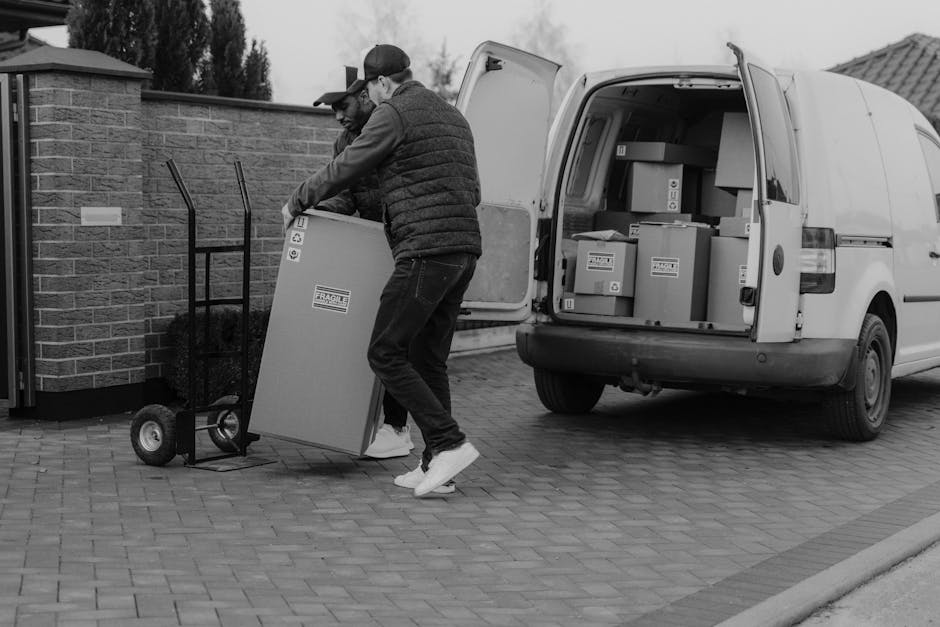
Lordship Lane man and van East Dulwich moves: a practical, local guide for smoother relocations
If you are planning Lordship Lane man and van East Dulwich moves, you are probably after something simple: a move that feels organised, affordable, and not wildly stressful. Fair enough. Whether you are shifting a few boxes from a flat above a shop, moving a sofa across East Dulwich, or settling into a new place near Lordship Lane, the right man and van setup can make the whole day feel a lot less chaotic.
Truth be told, most local moves are not massive house relocations. They are usually a mix of awkward stairs, narrow parking, last-minute packing, and a surprising number of items you forgot you owned. This guide breaks down how the process works, who it suits, how to avoid the usual headaches, and what to look for before booking. You will also find practical advice on packing, timing, safety, and a few sensible comparisons so you can choose the right option for your move.
Key takeaway: a good local move is rarely about brute strength alone. It is about preparation, the right vehicle size, realistic timing, and a service that understands East Dulwich streets, parking pressure, and the pace of everyday life around Lordship Lane.
Why Lordship Lane man and van East Dulwich moves Matters
Moving in and around Lordship Lane has a very particular feel to it. There is the steady traffic, the stop-start parking, the mix of flats, maisonettes, and shopfronts, and the occasional building where the stairs seem designed by someone with a grudge. That is exactly why a tailored man and van service matters. It is not just transport. It is local logistics.
For many East Dulwich residents, a move is not a once-in-a-lifetime event. It is a practical transition: a first flat, a rented property changeover, a new family home, or a business relocating stock or equipment. In those situations, a smaller, flexible moving service often fits better than a full-scale removal operation. It can be quicker to book, easier to schedule, and less wasteful for modest loads.
That local relevance is important. A driver who understands where loading is tricky, where access is tighter than it first looks, and how long a short hop can still take in London traffic brings real value. Even a move that looks tiny on paper can become a headache if the timing is off or parking is a mess. Let's face it, nobody wants to carry a wardrobe half a block because the van could not get close enough.
When local moves are planned well, they feel calm. That is what you are aiming for.
How Lordship Lane man and van East Dulwich moves Works
The process is usually straightforward, but the best results come when each stage is handled properly. A typical man and van move begins with an estimate of what you need moved, where it is going, and whether there are any access issues. Stairs, lift availability, bulky furniture, and parking distance all affect how long the job will take.
In many cases, you book a collection window, the vehicle arrives, and the items are loaded carefully by one or two movers. The journey itself may be short, but the loading and unloading often take the most time. That is a detail people miss. A five-mile move can still take most of the morning if there are several trips between a top-floor flat and a van parked a little way off.
Good communication makes the whole thing easier. You should be clear about item sizes, fragile pieces, and whether you need help carrying anything. If you need to dismantle or wrap furniture, ask ahead of time. Some customers prefer to book packing support so they can focus on the move itself rather than a pile of tape, boxes, and bubble wrap at midnight.
For larger domestic relocations, a man and van can still be part of a wider moving plan. It may work alongside house removals, flat removals, or even local removals if your move has a few extra layers. Sometimes that means one load goes straight to the new property while another goes into short-term storage. Very handy, especially when completion dates are a bit messy.
Key Benefits and Practical Advantages
The biggest advantage of a local man and van service is flexibility. You are not paying for a huge truck when you only need a sensible-sized vehicle and a few careful hands. That sounds obvious, but in moving terms it can save time, money, and a lot of unnecessary fuss.
Here are the benefits people usually notice first:
- Better fit for smaller loads: ideal for a few rooms, student moves, single items, or partial house moves.
- Local knowledge: useful around Lordship Lane, side streets, and tight parking zones.
- Speed and simplicity: a focused service can be booked and completed quickly.
- Less waste: you are only using the space and labour you actually need.
- More control: easier to arrange around work, landlords, cleaners, or completion times.
There is also a comfort factor. With a smaller move, people often feel more in control when the vehicle size and team are matched to the job. You can keep a clearer eye on valuables, ask questions directly, and adapt more easily if something changes at the last minute. In a busy place like East Dulwich, that kind of flexibility matters more than people expect.
If your move is paired with decluttering, storage, or business equipment, a joined-up approach can help. For example, some customers use removals and storage when they are not moving everything on day one. Others combine a small move with self storage or secure storage to keep things safe between addresses. That is often the difference between a rushed move and a measured one.
Who This Is For and When It Makes Sense
This kind of move suits a lot of people, honestly more than many realise. If your belongings are manageable and your move is local, it can be a very sensible option. It is especially useful when you do not need a full removal crew but still want professional help.
Common scenarios include:
- tenants moving into or out of East Dulwich flats
- students shifting between accommodation, term-time storage, or home
- young professionals relocating a few streets or a short distance across south London
- couples moving the contents of a small flat
- people collecting large furniture or appliances
- small businesses moving stock, documents, or office items
If you are moving a one-bedroom flat, a few pieces of furniture, or a mix of boxes and bags, a man and van can be an excellent fit. It can also work well for awkward single-item jobs. A sofa does not care that your van booking is "too small" on paper. It still needs lifting, securing, and getting through the door.
For business users, the same logic applies. Small offices, studios, and local traders often need a practical load-and-go solution, or sometimes a combination of transport and office storage or business storage. That keeps the move tidy while protecting stock or files that cannot sit around in a hallway.
Step-by-Step Guidance
A smooth move usually comes from boring-looking preparation. Not glamorous, but effective. Here is the simple version.
- List what is moving. Walk through each room and note the large items, fragile pieces, and box count. If you have a lot of loose odds and ends, add a few extra boxes. You almost always need them.
- Check access. Measure awkward furniture, note staircases, and think about parking. If there is no direct loading space, mention it early.
- Choose the right service level. Do you need loading help, packing help, dismantling, or just transport? Be honest here. It saves everyone a headache.
- Pack with the journey in mind. Heavier items belong at the bottom of boxes. Fragile things need cushioning. Labels help too, though people sometimes skip them and then regret it later, understandably.
- Separate essentials. Keep keys, chargers, documents, medication, and a kettle bag handy. A first-night box is one of those things that sounds unnecessary until 8:30pm and you are hunting for toothbrushes.
- Confirm timing and contact details. Delays happen. A clear phone number and realistic schedule make life easier for everyone involved.
- Do a final walk-through. Check cupboards, loft spaces, behind doors, and under beds. The number of left-behind adapters is almost funny, if it were not so annoying.
If you want to make the packing stage less rushed, it can help to combine your move with packing services. That is especially useful when work, childcare, or a tight moving deadline has already eaten most of your week.
Expert Tips for Better Results
A good move is often won in the details. Not dramatic details, just the little ones that save time and reduce risk.
First, size the van properly. Underestimating load size is one of the most common issues. It can lead to multiple journeys, which then stretch the day and push up effort. Overestimating can also be wasteful. The sweet spot is to be accurate, not optimistic.
Second, think in loading order. Put heavier, sturdier items in first and make sure fragile pieces are protected and secured. A van may be moving only a short distance, but stops, turns, and bumps still matter.
Third, protect both property and people. Door frames, bannisters, and walls take a surprising amount of punishment in a rushed move. Blankets, straps, and decent lifting technique make a real difference. If something feels too heavy or awkward, pause and rework it. No heroics needed.
Fourth, build in a little time cushion. Even a straightforward East Dulwich job can slip by twenty or thirty minutes if parking is tight or a lift is busy. That is normal. Not ideal, but normal.
Fifth, keep communication plain and direct. "Two bedroom boxes, one wardrobe, one bed frame, three suitcases, stairs only" is better than a vague list. Clarity helps everyone.
One more small thing: if you are moving near peak traffic times on or around Lordship Lane, a bit of patience goes a long way. Everyone feels the squeeze a little. Better to plan for that than pretend London roads will magically cooperate. They will not.
Common Mistakes to Avoid
People do not usually get moving wrong in dramatic ways. More often it is a chain of small oversights that adds stress. The good news is they are easy to avoid once you know what to look for.
- Leaving packing too late. Last-minute packing leads to damaged items, missing essentials, and a move that feels more chaotic than it needs to.
- Forgetting access issues. A large wardrobe and a narrow staircase do not get on well. Measure before moving day, not after.
- Not being honest about volume. If you have twenty boxes, say twenty. "A few" can mean very different things to different people.
- Ignoring fragile items. Wrap mirrors, lamps, screens, and glass properly. A towel around a TV is not a complete plan, sorry.
- Overloading boxes. Books and files are heavy. Use smaller boxes for dense items, or they will be miserable to carry.
- Missing a backup plan. If your completion time shifts, or you need to store items temporarily, it helps to know your options in advance.
People also sometimes assume that a local move will automatically be quick just because the distance is short. In reality, access and loading are usually the pace-setters. That is the bit that catches people out.
Tools, Resources and Recommendations
You do not need a mountain of gear to move well, but a few simple tools make life noticeably easier. Think practical, not fancy.
| Item | Why it helps | When to use it |
|---|---|---|
| Sturdy boxes | Protects items and stacks neatly in the van | For books, clothes, kitchenware, and mixed household items |
| Packing tape | Keeps boxes closed and secure | When sealing every box, especially heavier loads |
| Blankets or wraps | Prevents scratches and knocks | For furniture, frames, and delicate surfaces |
| Labels or marker pens | Makes unpacking easier | For room-by-room organisation |
| Furniture tools | Useful for dismantling beds or tables | Before move day, not during the rush if it can be avoided |
For people who want the move to stay neat and manageable, storage can be just as important as transport. Mobile self storage can suit staggered moves, while household storage can be useful if your dates do not line up neatly. For sofas, tables, or spare furniture, furniture storage can stop your living room turning into a temporary warehouse.
If your move involves less than a full house but still more than a car boot can manage, small removals is another relevant route to consider. And for people with a gap between properties, short-term storage is often the simplest bridge.
Law, Compliance, Standards, or Best Practice
For a local move, the practical focus is usually on safety, fair service, and clear expectations. You do not need to become a compliance expert, but a few standards are worth keeping in mind.
Transport operators should handle goods carefully, use suitable equipment where needed, and work in a way that reduces risk to people and property. Good movers also follow sensible loading practices, keep items stable during transit, and avoid rushing heavy lifts. That is best practice, plain and simple.
If you are comparing providers, ask about insurance and how items are protected in transit. That is not being fussy. It is sensible. A professional service should be able to explain its approach to safety, handling, and responsibility in clear language. You can also look for transparent information about insurance and safety and the company's general health and safety policy.
Payment, booking terms, and cancellation conditions should also be easy to understand. If a service is clear about its terms and conditions and payment and security, that tends to be a good sign. Not glamorous, but reassuring.
For customers who care about responsible disposal, it can also be helpful to know how items are handled at the end of a move. A company with a sensible approach to recycling and sustainability may be able to support a cleaner, more responsible move overall. In a city like London, that matters more and more.
Options, Methods, or Comparison Table
Choosing the right moving method depends on size, distance, and how much help you want on the day. Here is a straightforward comparison.
| Option | Best for | Pros | Watch-outs |
|---|---|---|---|
| Man and van | Small to medium local moves, single items, flexible jobs | Cost-effective, quick, adaptable | May not suit very large houses or complex moves |
| Full removals team | Larger homes, heavier loads, bigger planning needs | More labour, more capacity, more support | Can be more than you need for a small move |
| Man and van plus storage | Moves with timing gaps or decluttering | Flexible, reduces pressure on moving day | Requires an extra step and a bit more planning |
| Self-managed move | Very small loads and minimal furniture | Cheap if you can do it yourself | Physically demanding, slower, and more risky for bulky items |
To be fair, there is no single "best" option for everyone. A student moving a desk and several boxes has very different needs from a family moving out of a three-bed house. The right answer is the one that fits your load, budget, and energy on the day.
For offices or workspaces, the same decision applies in a slightly different form. A focused move may be enough, or you may need office removals with extra care for equipment and files. If documents are part of the problem, document storage can help reduce clutter before or after the move.
Case Study or Real-World Example
Here is a typical East Dulwich-style scenario. A couple in a first-floor flat off Lordship Lane are moving to a nearby property only a short drive away. They have a bed frame, a small sofa, a dining table, eight boxes, two bicycles, and far more kitchenware than they expected. Sound familiar?
They start by separating essentials into two bags: one for the first night and one for immediate access. They label the boxes by room, wrap the table legs, and dismantle the bed the evening before. The move itself is booked for late morning so they can avoid the worst of the rush and still have daylight for unloading. Sensible, really.
On the day, the movers assess access, park as close as possible, and use blankets to protect the furniture. The flat has a narrow stairwell, so the team takes the sofa carefully and avoids scraping the wall. One box gets added to storage because the new place is a touch smaller than expected. Not dramatic. Just life.
By the afternoon, the essentials are in place, the main furniture is assembled, and the couple can make tea without hunting through ten mystery boxes. That is what a well-planned local move should feel like: steady, not frantic. Quietly efficient. A bit of relief at the end, which is usually the whole point.
Practical Checklist
Use this before your move so the day runs more smoothly.
- List every item that needs moving
- Measure large furniture and awkward doorways
- Check parking and access at both addresses
- Pack a separate essentials bag
- Label boxes by room and fragility
- Disassemble items only if you are confident doing so
- Protect mirrors, glass, and screens properly
- Confirm timing, contact details, and any special instructions
- Decide in advance whether you need storage
- Keep keys, documents, and chargers where you can reach them
If the move is linked to a business change, it can also help to review whether you need office storage or business storage. Small planning decisions like that can save a surprising amount of stress later.
Conclusion
Lordship Lane man and van East Dulwich moves work best when they are treated as a practical project rather than a race. The right service can help you move quickly, protect your belongings, and keep your day under control. That is especially valuable in a busy part of London where access, parking, and timing all matter more than people expect.
Whether you are relocating a flat, handling a small business move, or just getting a bulky item from one address to another, the same principles apply: plan early, pack clearly, be realistic about access, and choose a setup that fits the job. A little organisation goes a long way. More than people think, actually.
If you are comparing options now, focus on clarity, safety, and flexibility. The smoothest moves are rarely the fanciest ones. They are the ones where the details were handled before the van arrived.
Get a free quote today and see how much you can save.
Frequently Asked Questions
What does a man and van service usually include for a local East Dulwich move?
It normally includes a suitable vehicle, one or more movers, loading, transport, and unloading. Some services also help with furniture handling or basic dismantling, but you should confirm that before booking.
Is Lordship Lane a tricky area for moving vans?
It can be, depending on the time of day, parking availability, and the exact property access. The area is busy enough that local knowledge really helps, especially when a van needs to load close to a flat or shopfront.
How far in advance should I book a man and van move?
If you can, book as soon as your moving date is clear. Even local jobs fill up quickly around weekends, month-end periods, and school holiday times. A little lead time usually means fewer compromises.
Can I use a man and van for just one or two items?
Yes, absolutely. That is one of the main reasons people use this type of service. Sofas, wardrobes, beds, and appliances are common single-item jobs, especially when they will not fit in a normal car.
Do I need packing services as well?
Not always. If you are well organised and have time, you can pack yourself. But if your schedule is tight, or you have fragile items, packing services can make the move much easier and safer.
What if my new place is not ready yet?
That is where storage can be very useful. Many people use short-term storage or removals and storage to bridge a gap between properties without having to rush decisions.
Is a man and van cheaper than full removals?
Often, yes, for smaller local moves. But the real answer depends on load size, distance, access, and how much labour you need. A good quote should reflect the actual job rather than a rough guess.
What should I tell the mover before moving day?
Be clear about item count, stairs, lifts, parking restrictions, fragile items, and any furniture that needs dismantling. The more accurate you are, the less likely you are to hit surprises on the day.
Can a man and van help with office moves too?
Yes. Smaller business relocations, equipment transfers, and light office jobs are a common fit. For larger or more structured relocations, office removals may be more appropriate.
What happens if I need to store furniture for a while?
You can combine moving with storage, depending on your situation. Options like furniture storage and household storage are useful when you are between homes or trying to reduce clutter.
How do I know if the move is too big for a man and van?
If you are moving a large family home with lots of bulky furniture, multiple rooms, and a lot of packing, you may need a bigger removals setup. If it is a smaller flat, a partial move, or a few substantial items, man and van is often enough.
What should I do on the morning of the move?
Keep pathways clear, finish the last bits of packing, separate essentials, and make sure access is ready at both ends. Then take a breath. The day usually feels better once the first box is on the van.
A calm move is not about perfection. It is about making sensible choices, one by one, until the whole thing starts to feel manageable. That is usually enough, and sometimes it is more than enough.